
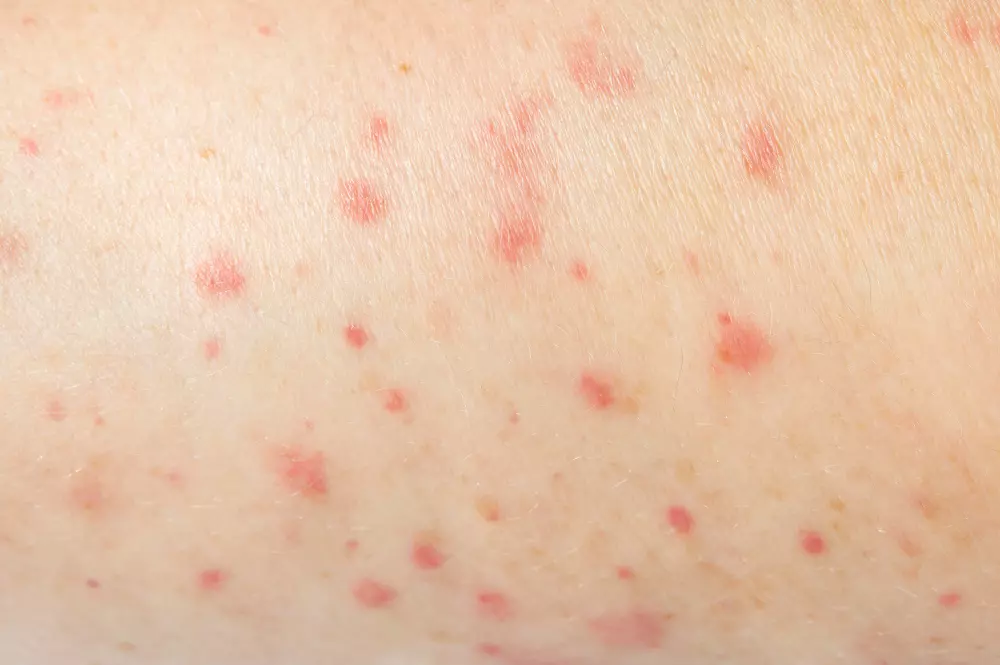
Hives (Urticaria) Diagnosis & Treatment in the Bay Area
Hives — known medically as urticaria — are raised, itchy welts that can appear anywhere on the body, often suddenly and without warning. Whether you experience a single episode or recurrent outbreaks lasting weeks, the allergists and immunologists at South Bay Allergy and Asthma Group have the expertise to identify the cause and provide effective, evidence-based treatment.
Book AppointmentWhat Is Hives?
Urticaria occurs when mast cells in the skin release histamine and other chemicals, causing blood plasma to leak into the skin. Hives can be acute (lasting fewer than six weeks) or chronic (persisting longer than six weeks). Triggers include allergic reactions to foods or medications, infections, physical stimuli such as pressure or cold, and, in many chronic cases, an autoimmune mechanism.
Common Signs & Symptoms
- Red, raised welts (wheals) of varying sizes
- Intense itching or burning sensation
- Welts that change shape, move around, or disappear and reappear
- Angioedema (deeper swelling) affecting the lips, eyelids, or throat
- Symptoms that worsen at night
How We Diagnose
Identifying the underlying cause of hives — especially chronic urticaria — requires a thorough evaluation. Our allergists will take a detailed history of your outbreaks, review potential trigger exposures, and order targeted allergy testing or laboratory work as needed. For chronic urticaria, we assess for autoimmune factors that may be driving your condition.
Treatment Options at South Bay Allergy
Our comprehensive treatment approach may include non-sedating antihistamines at therapeutic doses, second-line medications such as H2 blockers or leukotriene modifiers, biologic therapy including omalizumab (Xolair), dupilumab (Dupixent), or remibrutinib (Rhapsody) for chronic spontaneous urticaria that does not respond to antihistamines, and allergen avoidance strategies when a specific trigger is identified.
Schedule an Appointment
Stop living with the discomfort and uncertainty of hives. Schedule a consultation with the specialists at South Bay Allergy and Asthma Group today.
Book Appointment