
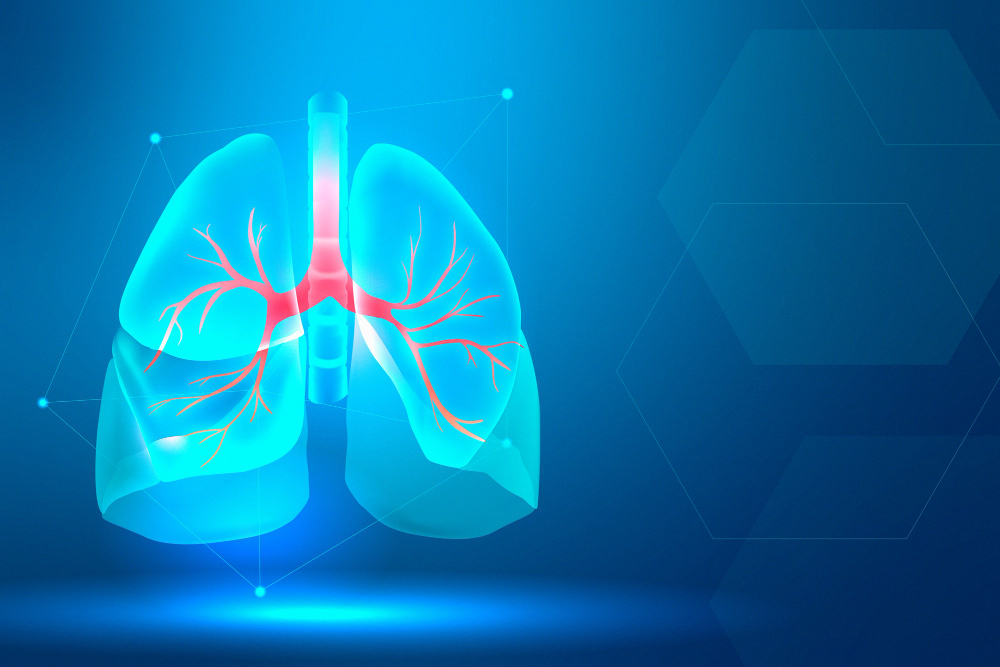
Spirometry is the most widely used test of lung function. You will breathe into a mouthpiece connected to a spirometer, which measures how much air you can exhale and how quickly. Key values include:
- FVC (Forced Vital Capacity) – the total volume of air exhaled after a deep breath
- FEV1 (Forced Expiratory Volume in 1 second) – how much air you can exhale in the first second
- FEV1/FVC ratio – a key indicator of airflow obstruction
Spirometry can confirm an asthma diagnosis, assess severity, and track response to treatment over time. The test takes approximately 15–20 minutes and is safe and non-invasive.
NIOX – Exhaled Nitric Oxide (FeNO) Testing
The NIOX VERO® device measures the fractional concentration of exhaled nitric oxide (FeNO)—a direct biomarker of allergic (eosinophil-driven) airway inflammation. Elevated FeNO levels strongly suggest steroid-responsive asthma and can help guide treatment decisions, including the initiation or adjustment of inhaled corticosteroids.
The test is simple: you exhale slowly and steadily into a handheld device for about 10 seconds. Results are available immediately. NIOX testing is particularly valuable for patients with difficult-to-control asthma or those where the diagnosis is uncertain.
Methacholine Challenge Test
When asthma symptoms are present but spirometry results appear normal, a methacholine challenge test can determine whether your airways are hyperreactive—a hallmark of asthma. You will inhale progressively increasing concentrations of methacholine (a bronchospasm-inducing substance) through a nebulizer, with spirometry performed after each dose.
A significant drop in FEV1 at low methacholine concentrations confirms bronchial hyperresponsiveness consistent with asthma. If your airways do not react, asthma is less likely and other diagnoses will be explored. The test is performed under careful medical supervision and a bronchodilator is administered at the end to reverse any bronchoconstriction.
Important preparation: patients must avoid bronchodilators, antihistamines, caffeine, and vigorous exercise for specified periods before the test. Our staff will provide detailed instructions at scheduling.
Exercise Challenge Test
Exercise-induced bronchoconstriction (EIB) affects up to 90% of people with asthma and can also occur in individuals without a prior asthma diagnosis, particularly athletes. The exercise challenge test involves performing standardized exertion (typically on a treadmill or stationary bicycle) while spirometry measurements are taken before, during, and after exercise.
A drop in FEV1 of 10% or more following exercise confirms EIB. This test is especially useful for athletes, children with exercise-related symptoms, or anyone whose symptoms occur exclusively with physical activity.
Which Test Is Right for You?
Our physicians will recommend the appropriate testing protocol based on your symptoms, history, and prior test results. In many cases, multiple tests are combined on the same visit to provide the most complete picture of your airway health.
Ready to Schedule?
Call us at (408) 286-1707 or request an appointment online. Offices in San Jose, Los Gatos, Mountain View, and Redwood City.